

Why Choose Sport in phjiliplus
- ⚽
Full Coverage
Follow a wide variety of sports, including football, basketball, and more.
- 📊
Detailed Statistics
Access comprehensive data to help you make informed decisions.
- 🎁
Special Promotions
Earn exclusive bonuses and participate in end-of-year offers.
Flash News
- 🏆
Soccer
Watch live matches and enjoy the best betting options.
- 🏀
Basketball
Dive into the on-court action with exclusive stats and analysis.
- 🎾
Tennis
Bet on international tournaments with competitive odds.
Exploring the Thrills of 777TripleSeven: A Journey Into Gaming Excellence
Dive into a comprehensive exploration of 777TripleSeven, including its introduction, gameplay description, and rules. Discover how the innovative game ties into current trends and captivates players worldwide.
- 📖
Study team statistics and performance before betting.
- 🕒
Gamble responsibly and set clear limits.
- 💡
Take advantage of seasonal promotions to maximize your earnings.

Exploring the Strategic Depth of Napoleon: A Classic Card Game with a Twist

Napoleon: A Classic Card Game With Strategic Depth
Napoleon, also known as Nap, is a captivating card game that has captured the minds and hearts of players across generations. With its roots tracing back to 19th century Europe, this game offers a strategic challenge that appeals to the tactical thinking of players of all ages. In this article, we will delve into the history, rules, and the contemporary relevance of Napoleon, making this an indispensable read for enthusiasts and newcomers alike. We will also explore the keyword Phjiliplus within the broader context of strategic card games.
A Brief History of Napoleon
The origins of the card game Napoleon are somewhat shrouded in mystery, but it is believed to have been named after the famed French military leader, Napoleon Bonaparte. The name itself suggests an aura of strategy and cunning, much like the campaigns of its namesake. The game gained popularity in the United Kingdom during the 19th century, and its engaging mix of chance and strategy allowed it to spread quickly across Europe.
Over the years, Napoleon has seen various adaptations and interpretations, yet the core mechanics have remained remarkably consistent. It continues to be a favorite among card game enthusiasts who relish its blend of tactical planning and adaptability. As the game evolved, different regional versions emerged, adding unique twists and flavor to the traditional gameplay.
How to Play Napoleon
At its core, Napoleon is a trick-taking card game designed for three or more players. A standard 52-card deck is typically used, with cards ranked in the usual descending order. The number of players can vary, but five is often considered the ideal number to maintain a decent level of complexity and challenge.
The Bidding Phase
The game begins with a bidding phase in which players declare how many tricks they believe their team can win. The highest bidder earns the role of 'Napoleon' and has the authority to declare a suit as trumps. This phase requires players to gauge not only their own hands but also to anticipate potential outcomes, making this a crucial aspect of the game's strategy.
The Play Phase
Once the trump suit is declared, the player to the left of the dealer leads the first trick. Players must follow suit if possible; otherwise, they may play a trump or discard any card. Winning a trick involves playing the highest card of the led suit or the highest trump card if trumps are played. The strategic use of trumps and high-value cards often determine the outcome of the game.
Scoring and Winning
The goal is for the 'Napoleon' to fulfill their bid by winning the declared number of tricks. Success results in points awarded to the team of the winning bid, while failure incurs a penalty. This points system adds an additional layer of strategic depth, as players must carefully weigh the risk and reward before making their bids.
Some variations allow for a special high-stakes bid called 'Wellington,' named after the Duke of Wellington, Napoleon's famous adversary. A successful Wellington bid can swing the game’s momentum dramatically, providing an exciting twist to the gameplay.
The Modern Adaptations and Cultural Relevance of Napoleon
In today’s world, Napoleon continues to fascinate with its enduring appeal and adaptability. The agility of its structure has allowed it to blend seamlessly with modern gaming innovations. For instance, some digital platforms have integrated Napoleon into their suite of offerings, making it accessible to a broader audience.
The keyword 'Phjiliplus' is an emerging trend within the domain of strategic card gaming. While not directly related to Napoleon, Phjiliplus represents the continual evolution and adaptation of card games in the digital age. It embodies new strategies, community engagement, and innovative gameplay mechanics that resonate with a younger generation of gamers.
Additionally, recent events in the world of online gaming and e-sports have shed light on the benefits of traditional card games in improving cognitive skills and strategic thinking. As people spend more time indoors and online, games like Napoleon offer a perfect blend of social interaction and mental challenge.
Conclusion
In a world awash with digital distractions, Napoleon endures as a card game that beautifully marries strategic depth with historical intrigue. Whether you are a long-time enthusiast or a newcomer eager to learn, understanding the rules and nuances of Napoleon can add a rich layer of enjoyment to your gaming experience. The timeless appeal and cultural significance it offers are reminders of why such games continue to capture our imaginations.
Flash News
-

Explore the captivating world of FireTemple, a game that combines strategy and adventure with the mystical keyword phjiliplus.
-

Discover the captivating world of Legacy of the Sages, the latest sensation in the gaming universe. Explore its intricate rules, gameplay mechanics, and immersive storyline.
-
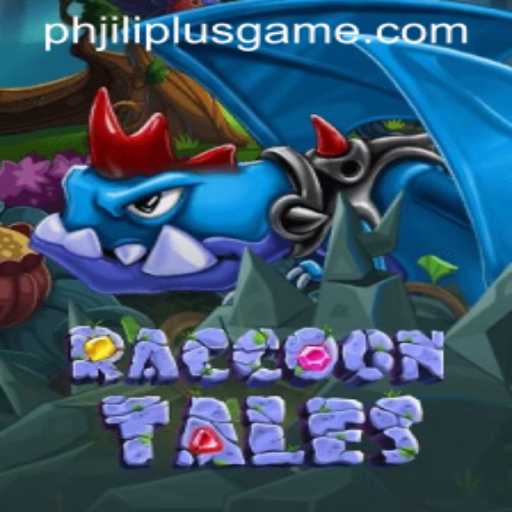
Immerse yourself in the whimsical and enchanting world of RaccoonTales, a game that promises adventure, strategy, and endless thrills.
-

Dive into the world of RushFeverSodaPop, the thrilling new game that's capturing attention worldwide. Explore its engaging storyline, unique mechanics, and exciting gameplay rules.
-

Explore the enthralling sport of MuayThai, its history, rules, and role in contemporary society.
-

Discover the enchanting world of SweetPOP, a delightful game that combines strategy, creativity, and fun. Learn about its introduction, gameplay, and rules.
-

Dive into the excitement of RushFever7s, a captivating game with engaging rules and mesmerizing gameplay, enhanced by the innovative Phjiliplus technology.
-

Dive into the exhilarating world of JungleJungle, a captivating new game that combines adventure and strategy, capturing the imagination of players worldwide.


